Bookkeeping Cleanup Toolkit
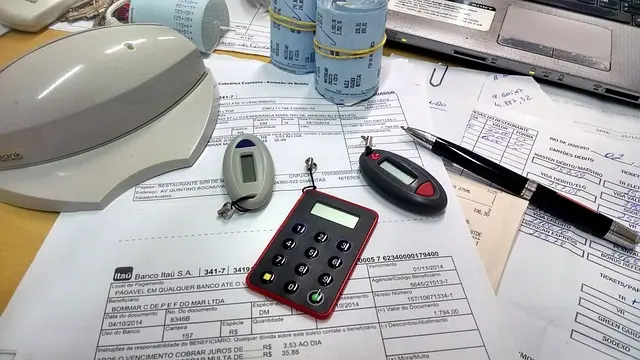
A structured approach to fixing messy books.
This toolkit is designed for situations where bookkeeping has fallen behind or grown inconsistent. That can happen due to rapid growth, staff turnover, or years of DIY accounting. When books are messy, you can't just move forward; you have to be a "detective" first. This involves tracing transactions back to their source, understanding the story behind odd balances, and methodically correcting errors to build a solid foundation for the future.
Template details
What's included
Cleanup intake checklist
- Before you start moving numbers, you need to stop the bleeding. This checklist helps you "stabilize inputs" by identifying all active accounts, gathering statements, and understanding the current state of the data. It's like gathering all the evidence before solving the case.
Bank and credit card reconciliation framework
- Reconciliation is your "truth serum." This framework guides you through matching your internal records to the bank's external truth. It highlights timing differences (checks in the mail) and uncovers forgotten transactions. You cannot trust a Balance Sheet (the water level in the tank) if you haven't verified the inputs and outputs (the flow) against the bank.
Transaction review and reclassification worksheets
- Expense categorization is often like "organizing a messy closet"—everything is thrown in, and nothing is easy to find. These worksheets help you sort transactions into the correct "bins" or accounts, ensuring that your Chart of Accounts (your map) accurately reflects the business's spending.
Opening balance validation checklist
- If your starting point is wrong, your ending point will be too. This checklist ensures that the beginning balances for the period you are cleaning up match the ending balances of the last filed tax return or closed period. It prevents the "ghosts" of old errors from haunting your current reports.
Common cleanup journal entry examples
- Sometimes, you need to make surgical adjustments. This section provides templates for common "fix-it" entries, such as recording missing loan interest, correcting payroll liabilities, or reclassifying personal expenses mixed with business costs.
Final review and handoff checklist
- Once the cleanup is done, you need to "lock the monthly close" to prevent changes to the history you just fixed. This checklist ensures the books are audit-ready—organized, supported, consistent, and defensible—and ready to be handed back to the business owner or their ongoing bookkeeper.
Who it's for
Businesses catching up after months (or years) of backlog
- For owners who have been too busy growing their business to keep up with the paperwork, and now need to get ready for taxes or a loan application.
Bookkeepers onboarding new cleanup clients
- For professionals who specialize in rescue work and need a standardized process to quote and deliver cleanup projects efficiently.
Accountants preparing books for tax filing or audit
- For CPAs who receive a "shoebox" of receipts (digital or physical) and need to turn it into a coherent set of financial statements.
Outcomes
Clean reconciled balances
- You will have confidence that every dollar is accounted for, with bank balances that match reality.
Documented assumptions
- You won't just have numbers; you'll have the "why" behind them. Any guesses or estimates made during the cleanup will be clearly noted for future reference.
Clear transition to ongoing bookkeeping
- The cleanup is just the beginning. By fixing the Chart of Accounts structure and establishing a rhythm, you set the stage for smooth, stress-free monthly bookkeeping going forward.
Suggested pricing
DIY users: $39-$59
- An affordable option for owners with more time than budget who are willing to do the detective work themselves.
Bookkeepers (client reuse): $99-$149
- A professional license that allows you to use this toolkit as the backbone of your high-value cleanup services.